Suffering From Back Pain in Poland? How to Get National Health Insurance (NFZ) Funded Physical Therapy: A Step-by-Step Guide for the Lost Patient.

In March 2026, I finished my contract working at a public healthcare clinic. Before these memories begin to fade, I decided to share a few observations and practical tips for anyone looking to access free, state-funded physical therapy. I should note that my insights come from working in one specific clinic in Kraków, and other facilities might handle logistics a bit differently. I would love to hear about your own experiences, so feel free to leave a comment below!
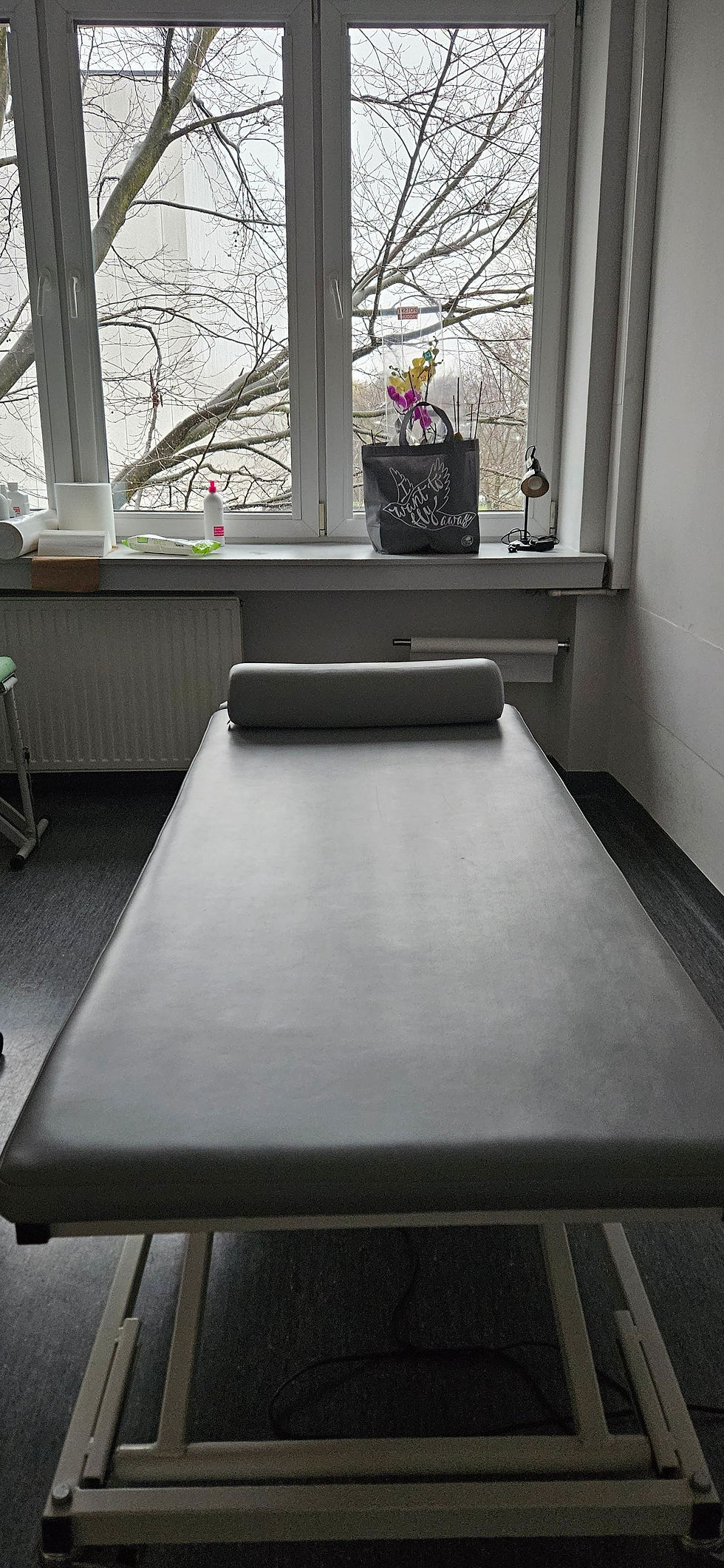
For nearly three years, I worked in Kraków as a licensed massage technician at a facility contracted by the NFZ [Poland’s National Health Fund]. We operated both an outpatient physical therapy clinic and a day-rehab ward. During that time, while patients were on my massage table, the conversation would regularly drift toward the confusing rules governing state-funded therapy. Patients are often lost and don't know how to navigate the system. I used to be a confused patient myself when I was recovering from a shoulder injury. That is why we are going to go through the entire patient journey, step by step.
Part 1: Visiting Your GP (Primary Care Physician)
Let’s say your back is acting up. Your first instinct is probably to go to your GP and ask for a referral to an orthopedic specialist. In most cases, an orthopedic consultation will only delay your access to actual physical therapy (unless you manage to get two referrals at once).
You should only go to an orthopedist if you’ve had an acute accident, or if it looks like you need surgery or an intervention before you can even begin therapy. If you are just dealing with chronic back pain and surgery is the last thing on your mind, aim straight for physical therapy. You can ask your GP for an X-ray. It’s a very common scan, so getting an order shouldn’t be an issue. It will reveal any potential structural bone changes, such as spondylolisthesis, narrowed disc spaces, compression fractures, advanced osteoporosis, etc.
So, how do you get a physical therapy referral from your GP? You need a referral with the correct administrative code. For an adult who doesn't require hospitalization or home visits, there are three main referral codes to choose from (I won't be covering health resorts/spa sanatoriums here, though that is also an option):
Code 1300 – Rehabilitation Clinic (Poradnia rehabilitacyjna)
Code 1310 – Physical Therapy Department/Unit (Dział/pracownia fizjoterapii)
Code 2300 – Day Rehabilitation Center/Ward (Zakład/ośrodek rehabilitacji leczniczej dziennej)
Of course, choosing the right code is the doctor's job, not the patient's.
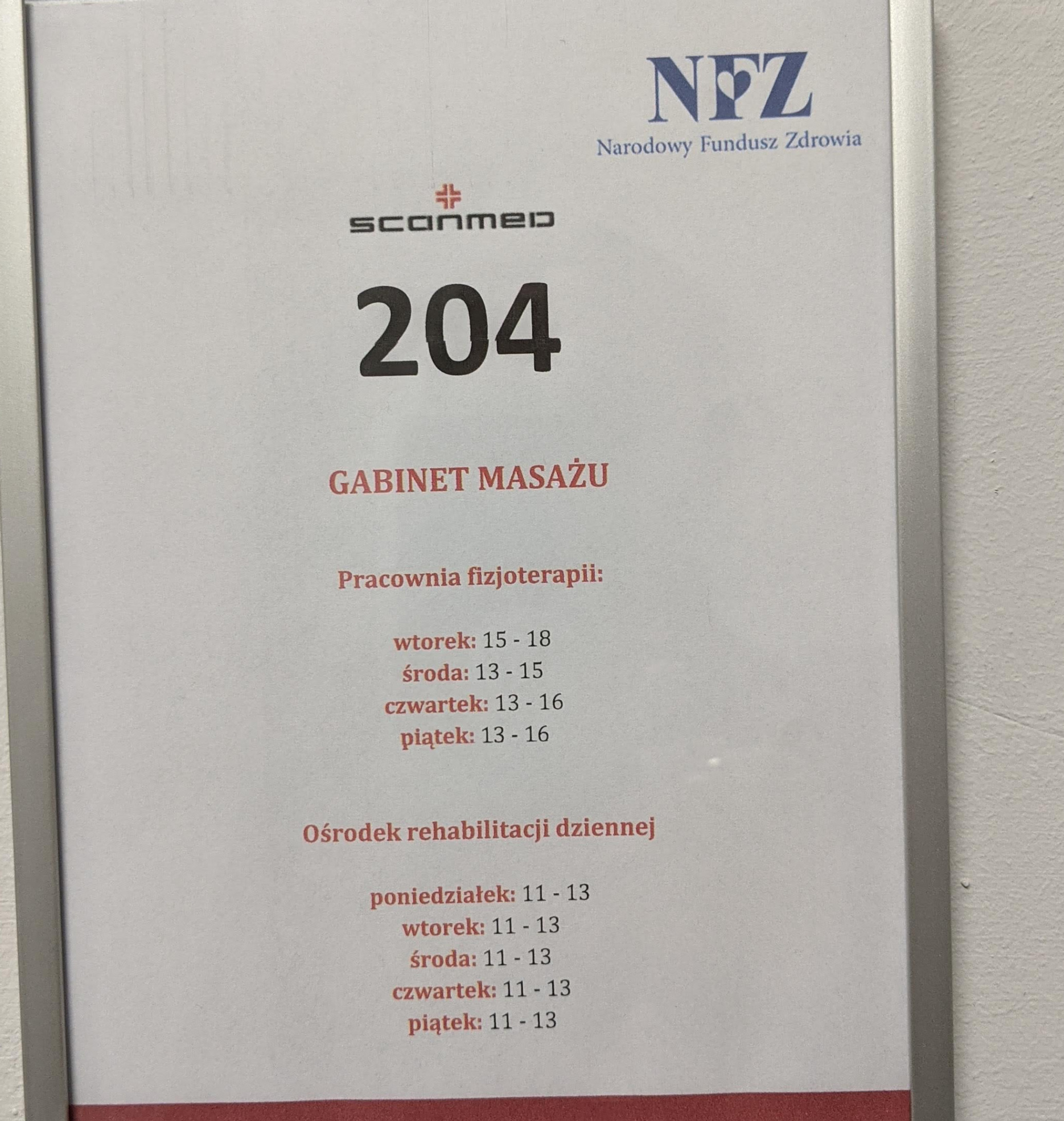
The first two codes are for outpatient care - the best choice if you cannot afford to take a long medical leave from work. What is the difference between these two codes?
With Code 1300, your journey starts with a consultation with a specialist in rehabilitation medicine. This code limits the number of facilities you can use and can lengthen your waiting time. A small clinic next to your house might not employ such a specialist, but it can easily fulfill a Code 1310 referral, which only requires a physical therapist to be present.
On the other hand, larger facilities that employ rehabilitation doctors often offer a wider range of treatments, and an extra consultation with a specialist is always a great bonus. The second major advantage of a Code 1300 referral is that the rehabilitation doctor can update your primary diagnosis and change the goal of your therapy on the spot. It sometimes happens that while waiting for your appointment, new issues pop up and your original complaints take a back seat. With this code, you don’t have to go back for a new referral and wait in a brand new queue; the specialist simply updates your diagnosis and adjusts the treatments to your current needs.
If you have a Code 1310 referral, you would have to ask your GP for a brand new referral and then ask the clinic's reception to swap it in the system for your pre-booked slot—but this does not happen automatically. If you don't take action, the physical therapist will treat your back, even if you broke your leg a month ago.
The ultimate question my patients always ask: How do I get a massage funded by the state?
Here is the deal: Your GP can (but doesn't have to) write suggested treatments directly on your outpatient referral. This applies to both Code 1300 and Code 1310. Although the GP's suggestion isn't binding and the final list of treatments can be modified, handing a referral with these notes to the reception desk means they will pre-book a slot for you in the massage therapist's schedule right away.
Co więc z pacjentami z tzw. "pustym" skierowaniem od lekarza rodzinnego, czyli bez listy zabiegów? Oni też mają szansę na masaż i terapię manualną, gdyż placówka powinna zapewnić możliwość dopisania do grafiku takich pacjentów. Jeśli jednak termin rehabilitacji jest ustalony, to jest ryzyko, że limit wolnych miejsc na masaż w danym terminie wyczerpie się zanim zapukasz do drzwi gabinetu na wizytę wstępną.
While a patient pre-booked into the massage schedule a year in advance can easily get 10 consecutive treatment days at identical times (including back-to-back 15-minute massage units), a patient with a "blank" referral has to fit into whatever random "gaps" are left... and their chances of getting a full 30-minute massage drop significantly.
Code 2300 is for a Day Rehabilitation Center. If you are in poor condition and outpatient care isn't enough, you get a more intensive program via the day ward. Your GP will only write the code and your diagnosis. The day ward doctor will take care of the rest during your intake assessment. In reality, you rarely get a 2300 referral from a GP; the day rehab ward more frequently serves post-operative patients or those sent by specialists.
An URGENT (CITO) note on referrals shortens the waiting time to start therapy. However, if delaying your therapy doesn't put you at risk of permanent disability, your bargaining position is weak... though it never hurts to ask nicely; you might get lucky.
Part 1A: Visiting an Orthopedic Specialist
If you decide to see an orthopedic specialist through the NFZ, you can ask them for a bone density scan (DEXA scan), especially if you are over 65 or a menopausal woman. This screens for osteoporosis. The result of this scan serves as a vital guide for your therapist and massage technician, letting them know exactly how much pressure they can safely apply to your body during a massage or manual therapy.
If the doctor orders an MRI, go for it! Not everyone gets an MRI approved through the state system because it is an expensive procedure. In most cases, an MRI is not strictly necessary to start physical therapy. For a physical therapist, your actual mobility, function, and presenting symptoms are far more important than what the MRI image shows. At the end of the visit, the orthopedist will issue a physical therapy referral just like the GP did (unless things are severe and you get sent to a neurosurgeon or straight to the hospital, but I will skip that topic here).
Part 2: The Waiting List
Once you have your referral, you head to the reception desk of a clinic or hospital contracted by the NFZ. There, you will find out your estimated start date. Waiting times can vary significantly between different centers, so it is highly worth checking with a few places. If you ask the receptionist what the general waiting time is, you won't get a single, simple answer. The dates vary based on several factors:
Whether the referral is marked as urgent (CITO) or stable;
The list of treatments prescribed by the doctor. You have to wait much longer for massage and manual therapy slots. For patients who only need general exercise classes or treatments that don't require a therapist's dedicated one-on-one time (like electrotherapy or laser), the start date is usually much faster;
The referral code (the type of rehabilitation program);
Whether you belong to a priority group. Under Polish law (Art. 47c of the Publicly Funded Healthcare Benefits Act), certain groups skip the standard queue. This includes individuals with a certified severe disability, military veterans, Honored Blood Donors, and anti-communist opposition activists.
Sometimes, people drop out of the queue, opening up a slot. In a regular supermarket queue, everyone just moves up one spot. In a medical waiting list, it doesn't work that way. Calling every single patient on a waiting list every time someone cancels would completely paralyze the administrative system.
Often, these sudden openings are saved for urgent patients. However, it can happen that a slot goes to the first person who expresses interest and is flexible enough to rearrange their schedule for the next two weeks to start therapy "tomorrow." Interestingly, it can actually be quite hard for clinics to find takers for sudden openings if they fall during holiday seasons like Christmas.
Many of my patients dealing with chronic back pain sign up for two waiting lists simultaneously: outpatient physical therapy and the day rehabilitation center. These two codes do not exclude one another. This means you can wait in both queues at the same time, and with one-year waiting lists, you can end up getting therapy every six months—alternating between outpatient care and the day ward (plus a health resort trip every now and then!).
Because of the long waiting times, which affect even urgent patients, some people choose to pay for private treatments while they wait. Getting a few private massages or manual therapy sessions right after a flare-up can bring immediate relief, making your subsequent state-funded therapy much easier and more effective. Several patients told me right as they walked into my room that they had been treating themselves privately, and I could absolutely feel the difference in their tissues.
Part 3a: Outpatient Physical Therapy
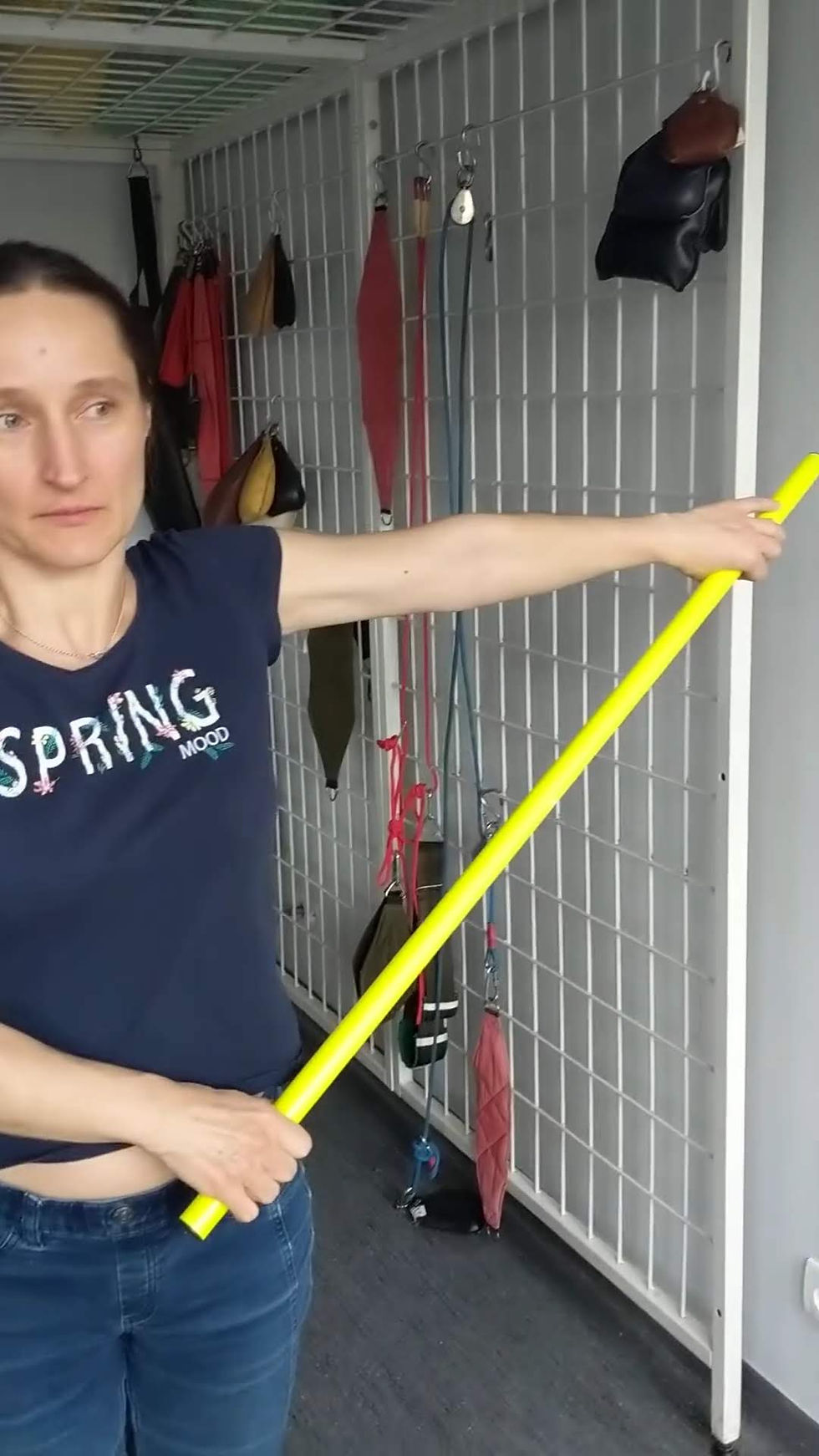
If you get a referral with Code 1300 or 1310, you are headed for outpatient care. This consists of 10 treatment days, which do not have to be consecutive. These 10 days can be spread out over 2 or 3 visits a week, or scheduled irregularly. Each day, you are entitled to a maximum of 5 treatment units (e.g., therapeutic exercise, electrotherapy, laser, whirlpool bath, massage). All treatments scheduled for a specific day must be completed on that exact day.
Your schedule might include two units of massage, which translates to two 15-minute blocks. For example, one unit for the lumbar spine and a second for the cervical or thoracic spine, which combines into a wonderful 30-minute full-back massage. Patients used to ask me if we only massage backs. Of course not! We also massage limbs, the shoulder and pelvic girdles, and even the face—all strictly according to the rehabilitation doctor's or physical therapist's orders. Another patient-favorite treatment is manual therapy. This is a one-on-one session where the physical therapist works directly with you, and the entire visit lasts 30 minutes.
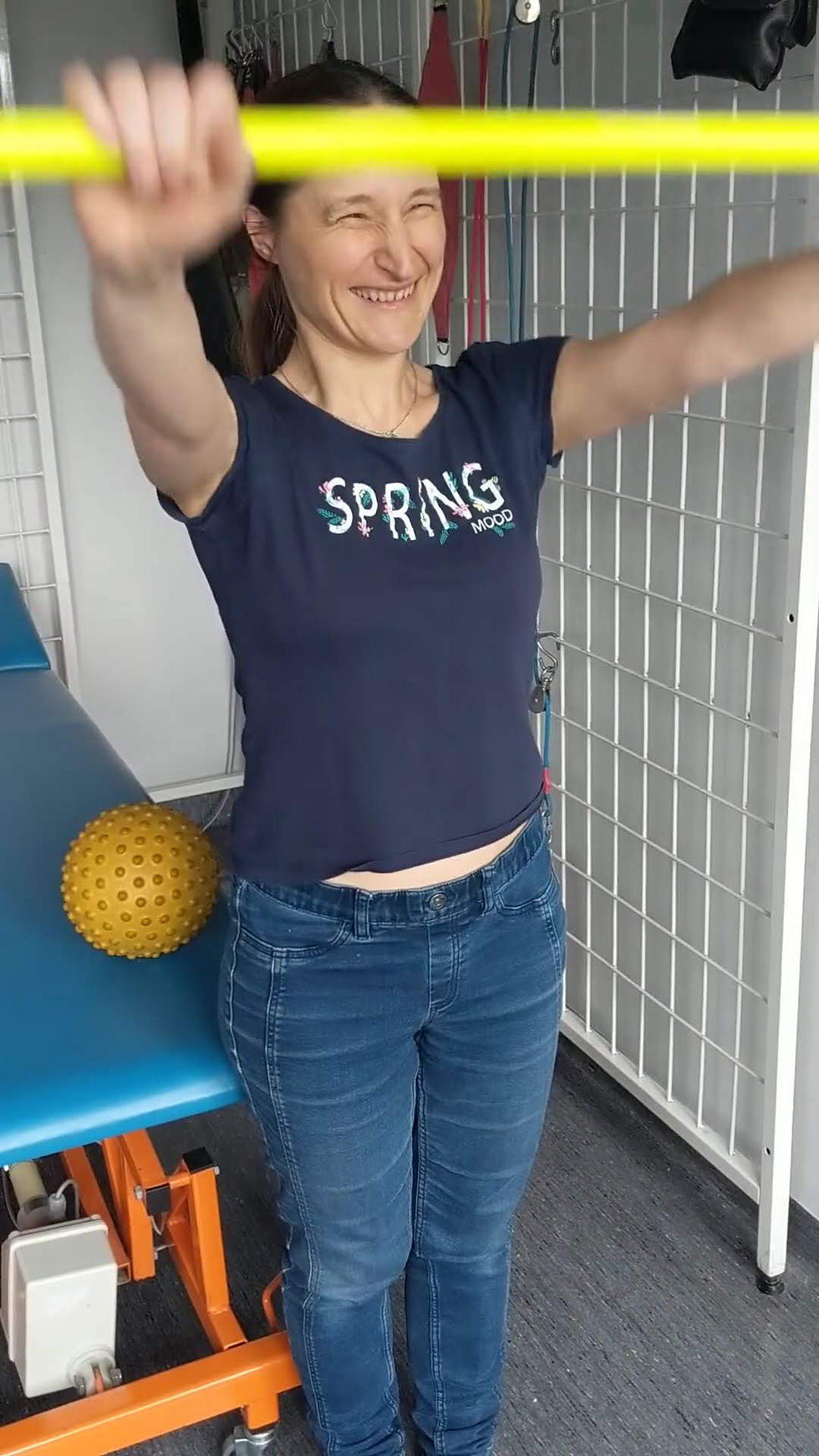
A patient with a Code 1300 referral goes to a consultation with the specialist in rehabilitation medicine first (which, by the way, is a specialist visit where you can get an NFZ-funded MRI referral). From there, the path for both codes looks identical: an initial assessment with a physical therapist, 10 days of treatment, and a final exit assessment with the physical therapist. It is worth noting that both physical therapy assessments are mandatory, even if you were already evaluated by the rehabilitation doctor. In a well-organized facility, your doctor’s visit and the start of your physical therapy happen around the same time. Apparently, it doesn't work this smoothly everywhere; in some clinics, after seeing the doctor, you have to get into another queue just to book your physical therapy dates
Illness: If you fall ill during your weeks of therapy, make sure to notify the clinic immediately and secure a doctor's note so that you don't lose your remaining treatment slots.
Absences: If you know in advance that you cannot make it on a certain day, reschedule that entire day for a later date (meaning all treatments for that day; you cannot reschedule just one isolated treatment). To do this, go to reception and ask to adjust your schedule. As I mentioned, treatments do not have to happen every single day. If you submit the change early enough, another patient in a similar situation might be able to use your canceled slot (though I cannot guarantee that every clinic accommodates these requests).
Punctuality: Assume from the start that you are the only person who remembers exactly what time your massage or manual therapy is. If a therapist wants to hook you up to electrotherapy for 15 minutes, but your massage starts in 10 minutes, just speak up. A massage therapist rarely has the time to walk around the clinic hunting for a patient. This is especially true if your massage therapist is visually impaired (massage therapy is a very popular career path for the blind). If you end up with a blind massage therapist, know that saying "see you later" at the end of your visit is completely normal.
For general exercises and machine treatments, there might be a queue based on specific time windows. Managing the flow of a large group of patients shifting treatment stations every few minutes is an administrative challenge, so please follow the established rules. Some patients occasionally feel they could organize the flow better themselves. Unfortunately, the only thing they usually end up organizing is an argument, which never leads to anything good.
Part 3b: The Day Ward
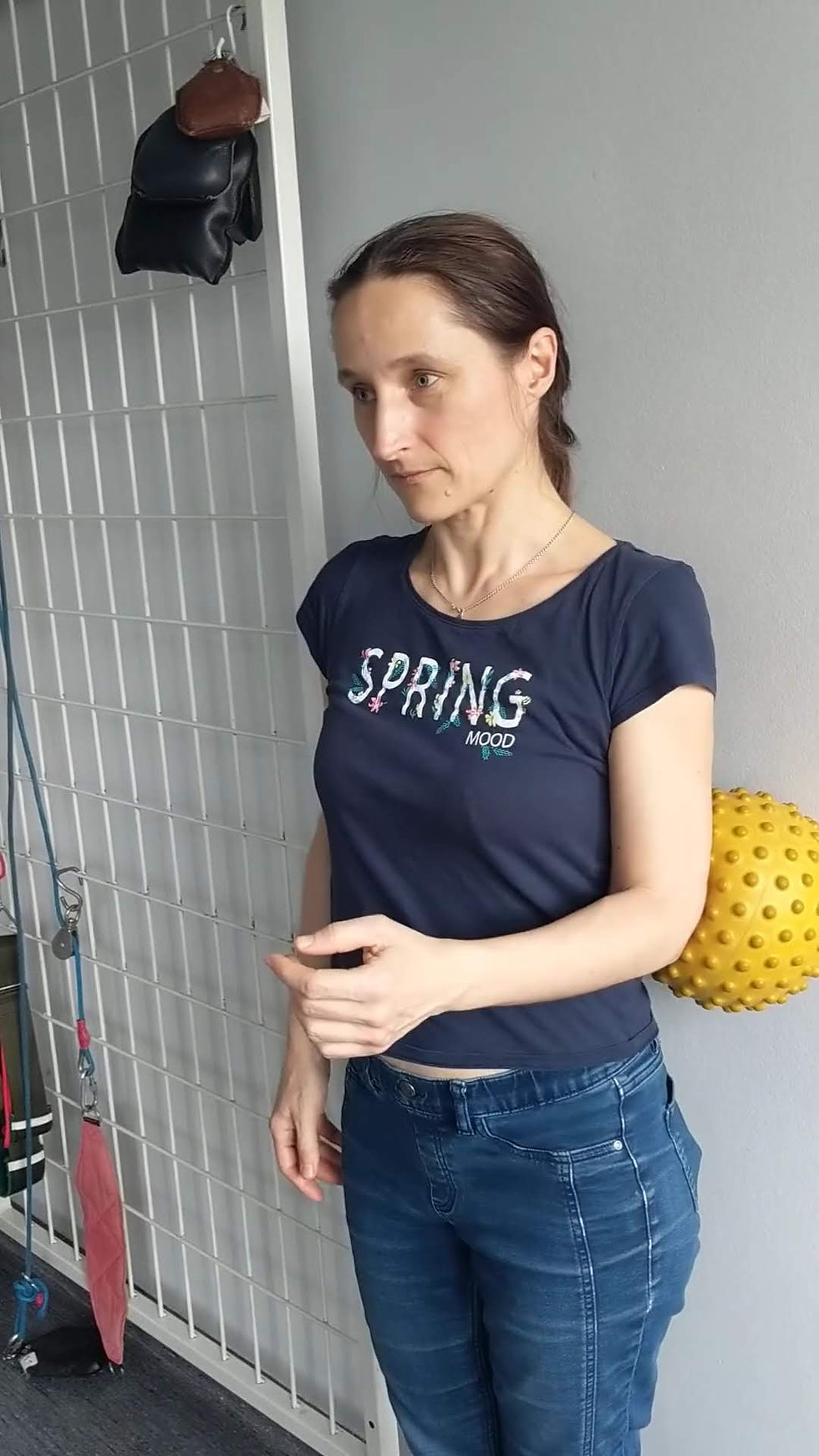
Code 2300 covers the Day Rehabilitation Center. Think of it as a partial hospitalization program - you get hospital-level care during the day but sleep at home, and meals are not provided. Just like a hospital stay, it involves a formal intake assessment by a ward doctor and an official discharge report at the end. During intake, the doctor examines you and prescribes your treatments. The availability of treatments like massage and manual therapy depends heavily on the staffing levels of the ward.
The program lasts a minimum of 3 weeks, running every weekday, totaling 15 treatment days, with the possibility of extending up to 30 days. Every day, you receive a minimum of 6 treatments, though several of these might be different types of physical exercises. There is no upper limit on the number of treatments, outside of the patient's capacity and needs, and, of course, the staff's availability.
The patient is placed under the direct care of the physical therapists, but the ward doctor monitors your progress and is available if any issues or setbacks arise. You will spend about 2 to 3 hours a day at the ward, exercising and attending your prescribed treatments. Here, too, there is no making up treatments if you show up late, nor can you make up days if you overslept. Absences must be reported, but if it's just due to regular life events, you likely won't be given a makeup day. At the end of the third week, the ward doctor will bring you in for a re-evaluation and will either write your discharge paperwork or extend your stay by one, two, or three weeks.
Part 4: Do Your Home Exercises!
After two, three, or even six weeks of regular exercise, you might feel exhausted. Some patients don't actually feel the benefits of physical therapy until after a two-week rest period following the program. I always reminded my patients toward the end of their treatment to start thinking about which exercises from the gym they would take home with them.
Sometimes you need to slightly reorganize your home space or pick up a few simple exercise tools like a yoga mat, resistance bands, exercise balls, or light weights. In my clinic locker, I kept a lacrosse ball for self-massage to show patients how they could release their glute muscles at home. Sometimes on the last visit, I would bring a massage gun to my room so the patient could familiarize themselves with the device and test it out.
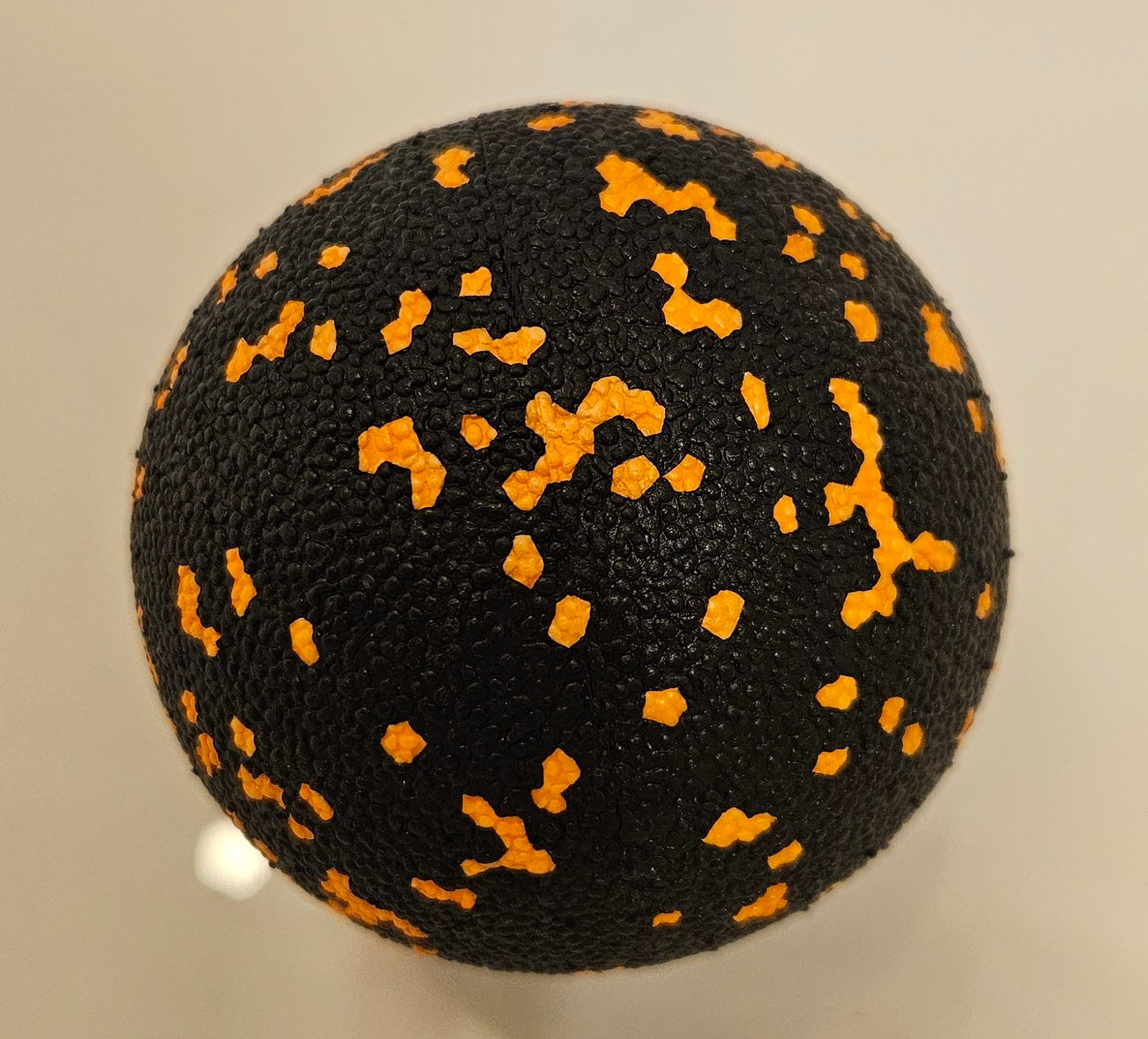
To maintain the results of your rehabilitation, it is a great idea to treat yourself to a massage every now and then - say, once a month - especially if limited mobility makes stretching difficult or if it's too hard for you to get down on a foam roller to do self-massage. Or hey, maybe you just developed a taste for massage and don't want to live without it anymore! 😉
If it’s tough to squeeze extra trips across town into your busy schedule, booking a mobile massage service to come straight to your home is an excellent solution. You save time and energy, and you can jump straight into a relaxing, warm shower or bath afterward, rather than losing that pleasant, warm effect by stepping out into the chilly air.
I operate directly in Kraków, Skawina, and Mogilany. If you are also from Kraków or the surrounding areas and want a premium massage without leaving the comfort of your home, get in touch with me. I’d be happy to answer your questions and book a session for you!

Comments